San Diego’s Afghan community fearful after Trump revokes protections
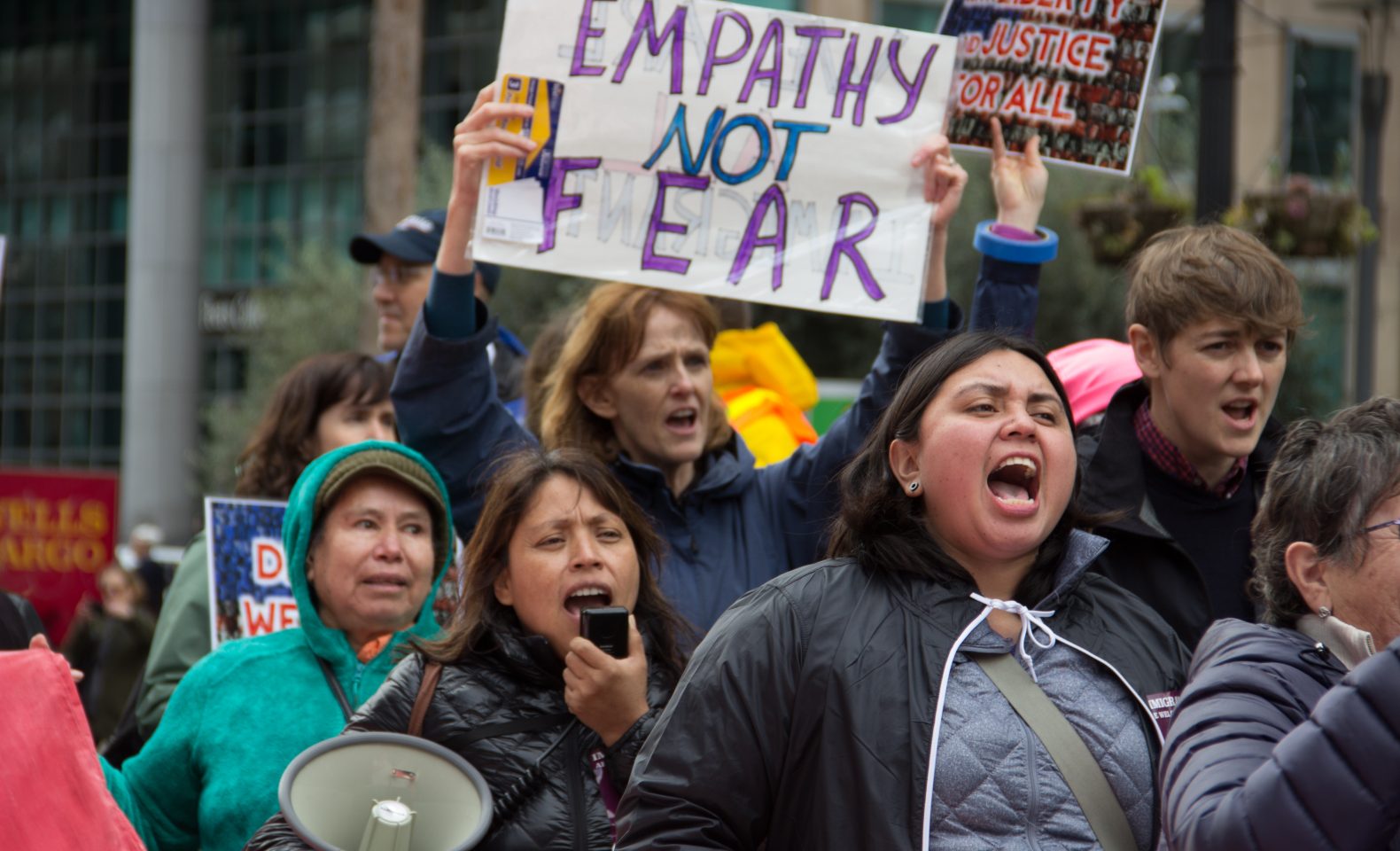
Increasingly violent immigration enforcement has been a major topic in 2025 -- and some already vulnerable groups locally are feeling increasingly targeted.


Times of San Diego
Source: Wayback CDX index

Immigration and its increasingly violent enforcement has been a major topic in 2025 — and some already vulnerable groups locally are feeling increasingly targeted by actions and rhetoric.
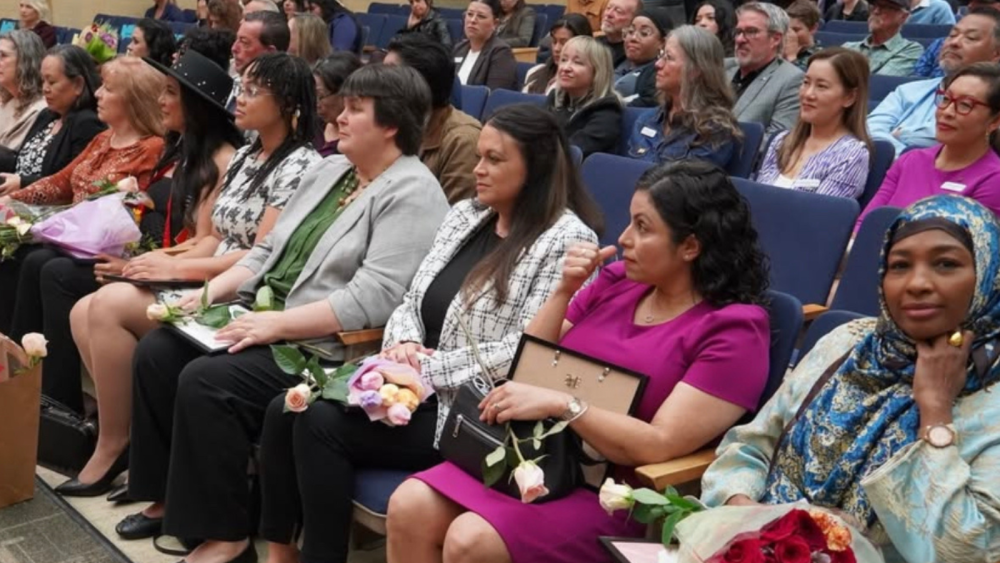
Afghan-American refugees, many of whom survived years of spiraling instability and chaos before they were able to find refuge in the United States, are among those communities.
San Diego’s Afghan communities are finding that, once again, the instability they fled is finding them via the Trump administration, which announced in May that it plans to revoke Temporary Protection Status for thousands of people — leaving them vulnerable to persecution, harassment, and deportation.
Human rights groups have condemned the change, which would take place in mid-July and affect between 10,000 and 12,000 people living and working in the United States. The affected individuals would be among the Afghans who came to the U.S. after the fall of Kabul in August 2021, according to the Migration Policy Institute.
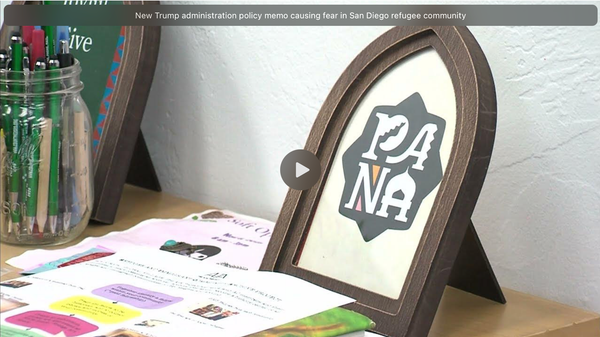
“The Afghan population is actually pretty significant in San Diego,” said Homayra Yusufi. a senior policy strategist with the Partnership for the Advancement of New Americans, or PANA, a local research and advocacy group for refugees and other displaced populations.
“There’s a long history of Afghan migrations coming into San Diego and making this our home,” said Yusufi, who added that she also came to the U.S. from Afghanistan as a child.
Thousands of Afghans arrived here after the fall of Kabul in 2021, she said. “Most of them have applied for asylum … some are still waiting for that to be adjudicated, so Temporary Protected Status is really a way of protecting them here and making sure they’re able to stay in the country without fear of deportation until their asylum cases go through.”
The removal of TPS protections is causing “great fear,” she said.
“A lot of Afghans are here who are either worked with the U.S. military in Afghanistan, [or] they’re journalists, they’re human rights advocates, there’s many folks who are religious minorities…. there’s a lot of fear, but also a certain level of frustration that I think that our community is feeling right now, given that there was a commitment made to Afghans when the Afghan government fell and was given to this Taliban regime.”
Between 2010 and 2022, the Afghan immigrant population in the United States nearly quadrupled — from approximately 54,000 to 195,000 new immigrants from Afghanistan. By comparison, the overall immigrant population in the United States grew by only 16%.
That means Afghan-Americans are also highly visible, since their numbers have grown by so much over the last few years. Many people have also arrived during a time when hateful rhetoric about immigrants and people of color is freely heard on talk radio and in American politics, leading to still more fear, said Tammy Lin, supervising attorney at the University of San Diego Legal Clinics’ Immigration Clinic.
“The ones that are the loudest are the ones getting heard by immigrants and the families of immigrants,” Lin said. “We need to quell that noise … San Diego’s always been a very welcoming city, since the times of resettlement of the Vietnamese during the Vietnam War.”
Lin said that some of her clients are frightened to even leave the house at this point, fearing that they have become targets.
“No one should ever be afraid like that,” she said.
Yusufi said that San Diegans who are not being threatened and who wish to help can tackle the rhetoric in ways that are as simple as welcoming refugees and telling them that their presence makes the region much better.
“Immigrants are feeling attacked,” Yusufi said. “We’re feeling attacked even if we have immigration status — we are feeling this constant fear of that being taken away from us and that impacts our ability to move around, to survive, to thrive in our communities.”
She said that some people are now afraid of even showing up at cultural events.
“So when you ask what can people do, the first thing that came to my mind was let’s combat that with having a sense of community, not just within our insular communities but within our broader communities. How do we reach out to each other and make people feel safe and at home?”
Absent court intervention, the termination of TPS for Afghanistan will take effect on July 14.