Standing Up for Immigrants, Standing Up for Democracy | Evelyn and Walter Haas, Jr. Fund
What This Moment Is Calling on Us to Do — Community organizations are showing us what it means to build community, stand up for each other, link arms across issues, and stand up for democracy

Evelyn and Walter Haas, Jr. Fund
Source: Wayback availability API
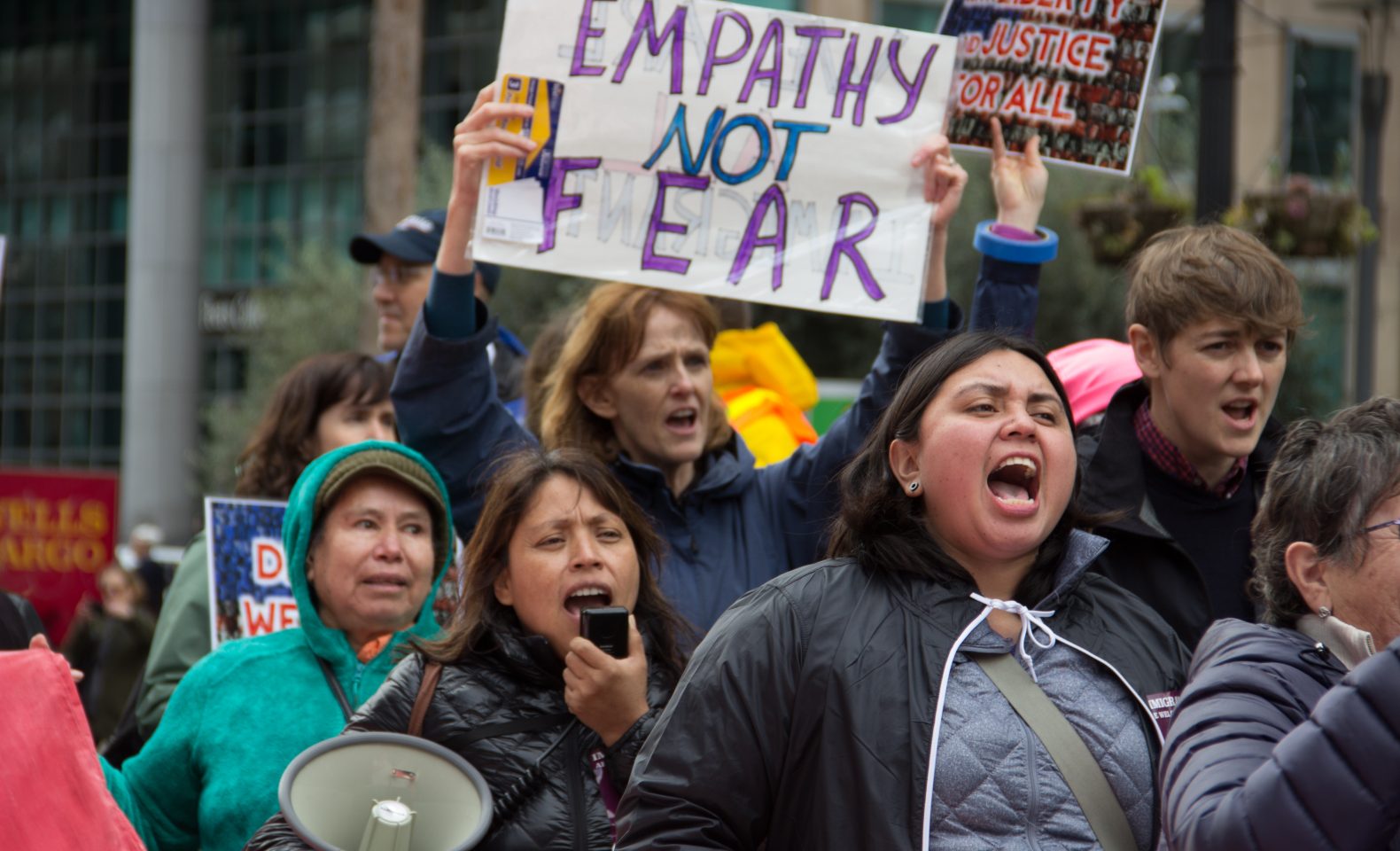
Over the past several months, we’ve seen countless neighbors, friends, students, unions and businesses standing up for the rights and dignity of immigrants in this country. This is true not in just Minnesota, where thousands of people showed up in the face of unlawful actions by ICE despite real danger to their lives, but also in Los Angeles, Chicago, Charlotte, and many other places. Across the nation, local pressure is shining a spotlight on unjust immigration enforcement, leading to public outcry and a marked shift in public opinion.
We are clearly at an inflection point. I strongly believe the moment is right to put even more power and possibility in the hands of immigrant communities and their allies, so we can keep defending basic rights while pursuing ambitious ideas that enable all people to flourish and live life with dignity and respect. In my conversations with Haas Jr.’s nonprofit and movement partners, colleague funders, and others, I am hearing two themes emerge about what this moment calls on us to do.
First, invest in the grassroots networks that sustain immigrant communities—and invite new allies to work side-by-side.
The scale and scope of immigration enforcement have blocked immigrants and their families from their rightful use of community resources like parks, public libraries, hospitals, and even schools. This is especially true of Latino, AAPI, and Black immigrant communities that are being disproportionally targeted.
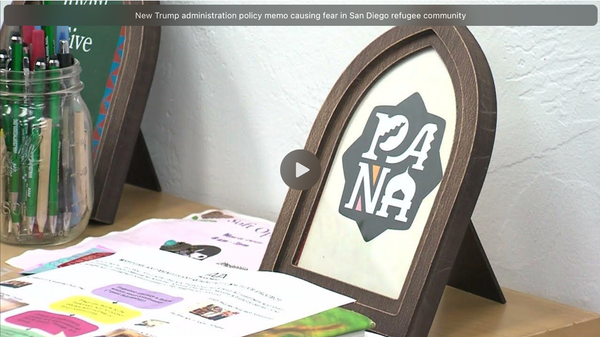
“In San Diego, engaging in everyday activities has become a threat for us. Faith leaders and anyone attempting to accompany or bear witness with asylum seekers is either being cited or threatened by government officials. So, we’re now turning towards one another, as we always have, building sustainable support systems within our communities,” said Ramla Sahid, the founder and executive director of PANA (Partnership for the Advancement of New Americans).
At Haas Jr., we’re supporting PANA in its efforts to advocate for the full economic, social, and civic inclusion of refugees and displaced populations in the San Diego region and beyond.
At the same time, our partners are holding the vision of what is possible and what world we want to build. A great example is PANA’s work developing the Global Village, a community-owned property that will include affordable family housing, family services, and other resources for immigrants and refugees. PANA also is a leader in organizing Somali and other immigrants and refugees to engage with policymakers, share their stories, and build relationships and networks that enable communities to stand together against authoritarianism.
We believe it is possible to create equitable and culturally rich lives for refugees and immigrants and build a San Diego where our communities feel and experience a profound sense of dignity and belonging. Foundational to this vision is creating a model ecosystem anchored by physical spaces and civic infrastructure we own and control.
Ramla Sahid, Founder and Executive Director, PANA
Sahid also stressed the need to invest in connecting local organizing with national allies, so we’re applying what works in one community to other places across the country. Already, communities in San Diego are working to replicate the deep mutual aid networks that have been critical to supporting immigrants in Minnesota.
Second, let’s highlight the inextricable link between immigrant rights and our core democratic values and freedoms, so we can make the most of this pivotal year when democracy is front and center. From arrests outside our schools and workplaces to law enforcement assaults and killings targeting law-abiding people, the past year has shown what happens when an unbridled government uses immigration enforcement as a pretext to erode basic democratic and constitutional protections. It’s no coincidence that we’re now seeing legislation and executive actions emerge to limit voting rights ahead of the midterm elections this year.
And with the administration challenging constitutional protections for birthright citizenship, it’s not hard to imagine a day when all expectant parents (U.S. citizens included) are forced to navigate an ICE phalanx and show ID as they try to enter the hospital to deliver a child.
“The attacks on the rights of immigrants are attacks on the rights of all people. Forcing everyone to prove they belong here is an assault on us all and on the Constitution,” said Conchita Cruz, co-founder and co-executive director with Asylum Seeker Advocacy Project (ASAP).
At Haas Jr., we are honored to stand with nonprofit partners like ASAP as they challenge these latest attacks on all Americans’ basic rights. ASAP is a leader in the national legal fight against the administration’s attempted ban on birthright citizenship, and it’s also challenging other egregious actions like proposals that would make it impossible for asylum seekers to apply for a work permit in the United States.
The ability to work allows asylum seekers to support their families to earn an income while they navigate the legal process of gaining asylum and finding their rightful place in American society. And if the government can make it harder for one class of workers to do this, there’s no telling what group or workers it will target next.
There are major implications if asylum seekers cannot access work permits and earn an income to support themselves and their families. So many of our members are caregivers, educators, health-care workers, and more. There are countless people relying on them for their everyday needs and well-being.
Conchita Cruz, Co-Founder and Executive Director, ASAP
I am inspired in this moment by the work of ASAP and PANA and the other partners we are working with at Haas Jr. Not only are they showing what it means to stand up for our immigrant and refugee neighbors at a very difficult and dangerous time. They are also showing what it means to build community, stand up for each other, link arms across issues, and stand up for democracy.
The message from these grassroots leaders for funders is clear: provide more flexible, multiyear support for immigrant-serving organizations; step up investments in community-led organizing and grassroots networks; and bring in new allies by linking immigrant rights to the broader fight for democracy.
So much is at stake right now. Standing with and supporting immigrant communities is the test of our time.